Asian markets slide as AI sell-off spreads, Hong Kong at 19-month low
Seoul led losses on Monday as Sydney, Wellington and other bourses followed Friday's Wall Street rout over fears about the AI boom.

Asian share markets fell sharply on Monday, with Sydney, Wellington, Singapore and Jakarta among the bourses deep in negative territory as a sell-off in artificial intelligence stocks spread from Wall Street, CNA reported.
South Korea took the heaviest hit. Al Jazeera reported the Kospi in Seoul slid as much as 5.8 per cent before paring losses to be down 3.2 per cent at 04:30 GMT. CNA put the fall at more than 4 per cent, with memory chip makers SK Hynix and Samsung each down 4 per cent.
"These are not peripheral players in the AI boom but two of its most important semiconductor suppliers," Stephen Innes of SPI Asset Management told CNA.
In Hong Kong, the South China Morning Post reported stocks dropped to their lowest level in 19 months. The Hang Seng Tech Index fell as much as 3 per cent to below 3,400 points, taking its loss for the year past a third, before closing the morning session down 1.09 per cent. The Post said the benchmark Hang Seng fell as much as 1.8 per cent. Al Jazeera reported both the Hang Seng and Shanghai's CSI 300 were down about 0.6 per cent by 04:30 GMT. Taipei was mixed: CNA said it flickered between gains and losses, while Al Jazeera reported the Taiex rebounded to a 2.5 per cent gain. Japan was closed for a public holiday.
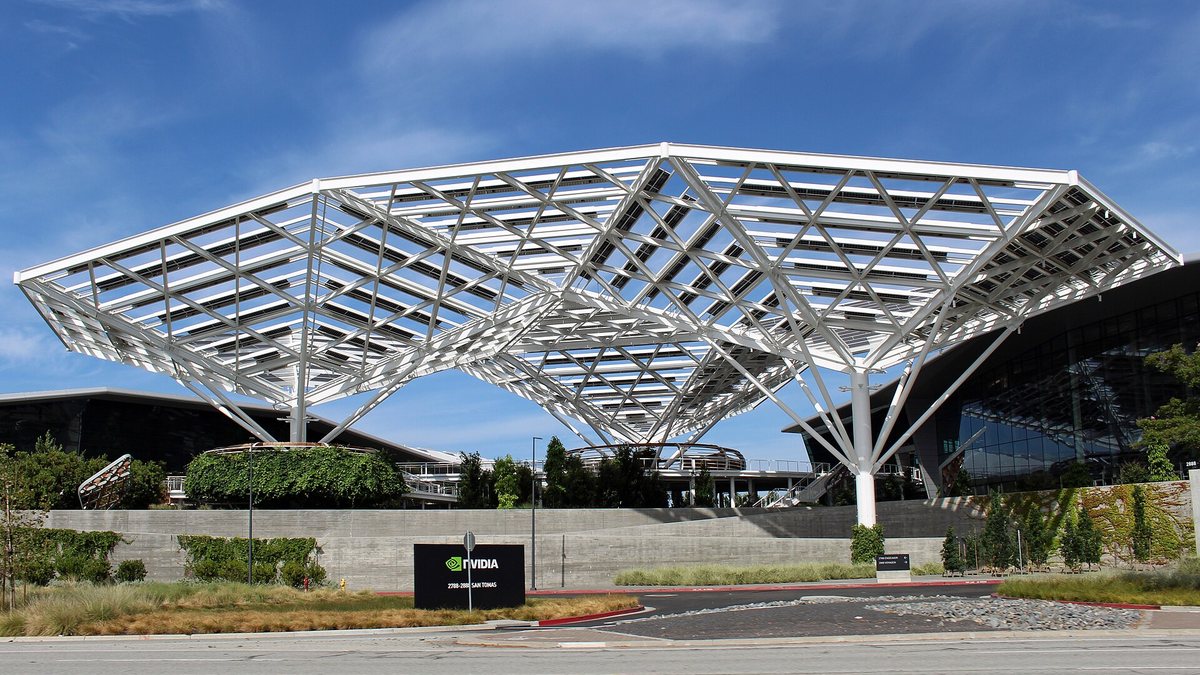
The falls followed a rout in New York on Friday. Al Jazeera reported the S&P 500 closed 3.7 per cent lower, entering a correction, and the Nasdaq dropped 5.3 per cent, wiping out its gains for 2026. CNA said Nvidia plunged 14 per cent and the Nasdaq had lost almost a fifth of its value since a record high last month.
The outlets pointed to several worries: whether tech firms can sustain huge spending on AI infrastructure, the prospect of further US interest rate rises, and tighter regulation after the Democrats won control of Congress in the midterm elections. Al Jazeera also cited an alleged espionage scandal involving Nvidia and its former chief executive Jensen Huang, which it said has prompted a push for tighter limits on China's access to advanced chips. CNA reported the US Commerce Department has moved to close a loophole letting Chinese companies access Nvidia's chips remotely.
Governments in the region have stepped in. CNA reported Taiwan was making it harder to short stocks, China made it easier to borrow money to buy shares, and South Korea was considering a stabilisation fund not used since the global financial crisis.
US futures pointed to a rebound, with S&P 500 and Nasdaq futures up 2.2 per cent and 2.9 per cent, according to Al Jazeera. Khoon Goh, head of Asia research at ANZ, told the outlet that South Korea's semiconductor exports for the first 20 days of November were up 294.4 per cent year on year, and that AI concerns would dominate the week "as investors try to determine if the bottom is near".
Sources: Al Jazeera, Asian stock markets tumble as AI bubble fears mount; CNA, Asian tech back in the firing line as traders track Wall Street rout; South China Morning Post, New 19-month low: Hong Kong stocks plunge as AI sell-off spreads to Asia.